Soft-Close Kitchen Cabinets: Are They Worth It?
Are soft-close kitchen cabinets worth the extra cost? Learn how they work, what they cost, and why most homeowners say yes.
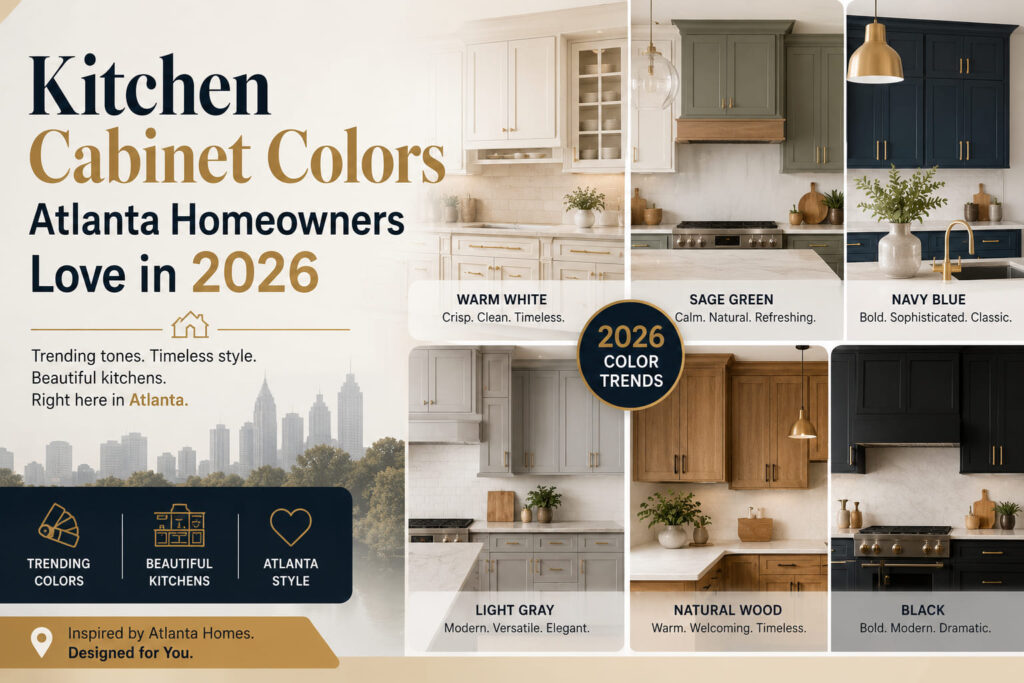
Choosing the right kitchen cabinet color in Atlanta can boost your home’s resale value. Here are the top colors buyers want in 2026.
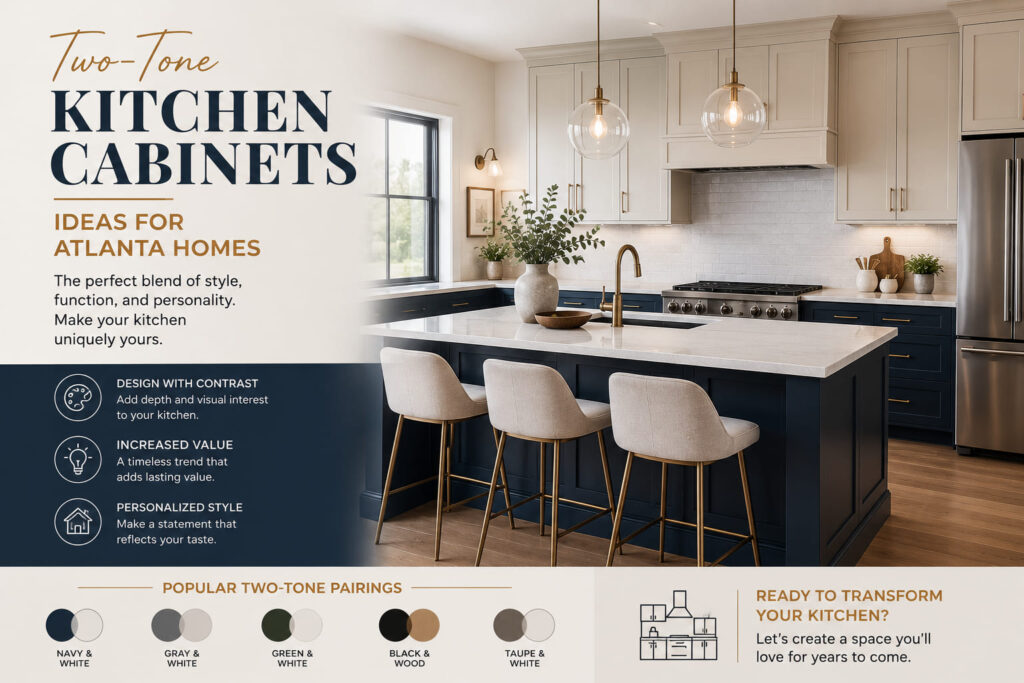
Two-tone kitchen cabinets are one of Atlanta’s biggest design trends in 2026. Discover style ideas, color combinations, and tips from local experts.
Discover the best kitchen cabinet hardware trends for 2026 – from bar pulls to integrated handles. Find what works for your cabinet style and budget.
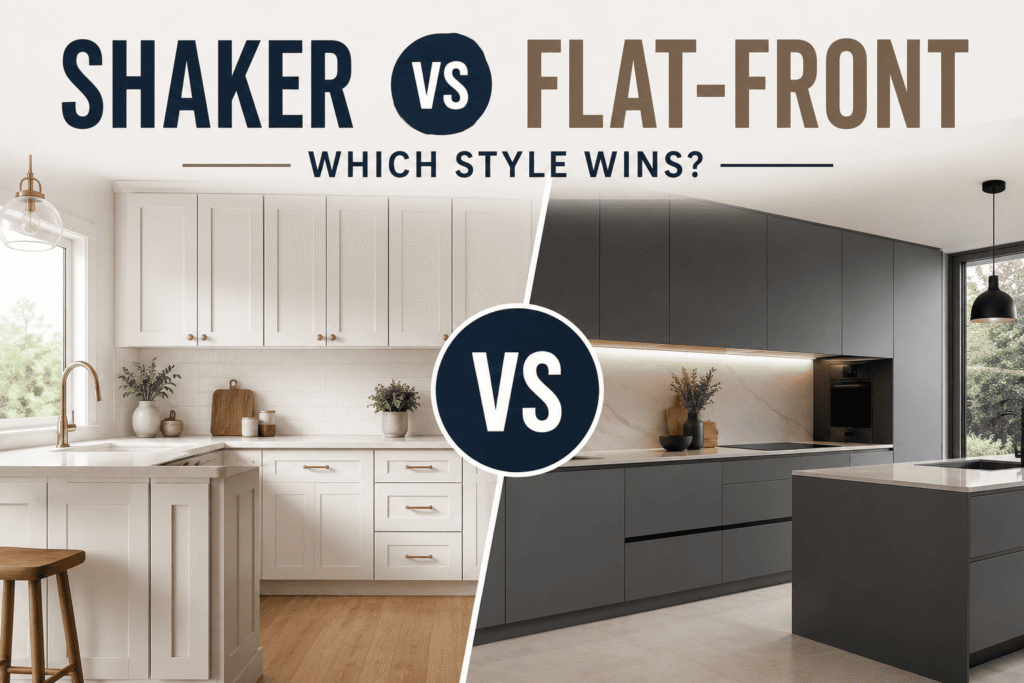
When homeowners start researching kitchen cabinets, they quickly encounter a fundamental construction question that most people have never thought about before: framed or frameless? It sounds technical, but it actually has a real impact on how your cabinets look, how much storage you get, and how much you pay. This guide breaks it down clearly so you can make a confident choice. What Is the Difference Between Framed and Frameless Cabinets? The difference comes down to how the cabinet box is built. Framed cabinets have a solid wood face frame attached to the front of the cabinet box. This frame gives the cabinet its structure and provides a surface for the door hinges to attach to. The face frame is typically 1.5 inches wide and runs around the perimeter of the cabinet opening. Frameless cabinets (also called European-style cabinets) have no face frame. The cabinet door attaches directly to the sides of the box using concealed hinges. The result is a clean, uninterrupted front with no visible wood border around the door opening. Both construction types are widely available in stock, semi-custom, and custom kitchen cabinet lines. The choice between them affects storage, aesthetics, installation, and cost – but neither is universally better. It depends on your kitchen and priorities. Storage and Accessibility One of the most practical differences between the two styles is interior access. With framed cabinets, the face frame reduces the width of the opening by about 1.5 inches on each side. That means if you have a 24-inch-wide base cabinet, the actual opening you reach through is narrower. For wide cabinets this is negligible, but for narrow cabinets (12 or 15 inches wide) the face frame can make access noticeably more restricted. Frameless cabinets offer a full-access opening – the door covers the entire front of the box, so you can reach all the way to the corners without the frame getting in the way. This makes frameless cabinets particularly effective for base cabinets with pull-out drawers and corner cabinet systems, where maximum opening width matters. If you are already planning to add kitchen cabinet pull-out organizers, frameless construction pairs especially well with those systems. Aesthetics: Which Style Looks Better? This comes down almost entirely to your kitchen design direction. Framed Cabinets: Traditional and Transitional The visible face frame gives framed cabinets a more classic, furniture-like appearance. The slight reveal around the door creates shadow lines that add visual depth and warmth. Framed construction is the traditional American standard and works beautifully in farmhouse, craftsman, transitional, and traditional kitchen designs. If you want a kitchen that feels warm, grounded, and timeless, framed is usually the right fit. Frameless Cabinets: Modern and Minimalist Without the face frame, frameless cabinets present a flat, continuous surface with minimal visual interruption. When doors are closed, the cabinet faces look like a single unbroken panel. This streamlined look is a hallmark of modern, Scandinavian, and contemporary kitchen designs. If you are drawn to flat-front doors, handleless cabinets, or a very clean minimalist aesthetic, frameless is typically the better match. If you are still working out your overall design direction, our comparison of matte vs. gloss kitchen cabinet finishes can help you think through how finish interacts with cabinet style. Construction and Durability Both framed and frameless cabinets can be extremely durable – quality depends far more on the materials and manufacturer than on the construction type. That said, there are some structural differences worth understanding. Framed cabinets derive much of their structural rigidity from the face frame. The frame ties the box together and adds stiffness, which is why even modestly built framed cabinets tend to hold up well over time. The frame also provides a wider surface for door hinges, which means less stress on individual hinge mounting points. Frameless cabinets rely on the cabinet box itself for structural integrity, which means the box panels typically need to be thicker – usually 5/8 inch or 3/4 inch – to compensate for the absence of a frame. Well-made frameless cabinets are just as durable as framed ones, but the quality of the box material matters more. Thin, cheap frameless boxes can flex or sag under heavy loads. Cost Comparison Framed cabinets are generally less expensive at the entry and mid-range price points. Stock and semi-custom framed cabinets are widely available from a broad range of manufacturers, which keeps prices competitive. The additional material cost of the face frame is offset by simpler hinge systems and well-established manufacturing processes. Frameless cabinets tend to cost more at equivalent quality levels. The thicker box panels, precision-manufactured concealed hinges, and European-style construction typically push prices up by 10-20% compared to framed alternatives. At the custom level, the price difference narrows significantly. For a broader look at how cabinet construction choices affect overall project costs, our kitchen cabinet budgeting guide covers what to expect at each price tier. Installation Differences Framed cabinets are more forgiving to install. The face frame can hide minor gaps between cabinet boxes, uneven walls, and small misalignments. For kitchens with out-of-plumb walls – common in older homes – framed construction makes the installer’s job easier and produces a cleaner-looking result with less effort. Frameless cabinets require more precise installation. Because there is no frame to cover gaps between boxes, the boxes themselves must be aligned perfectly. Any misalignment is immediately visible. Professional installation is especially important with frameless cabinets – this is not a construction type that rewards DIY shortcuts. Which Is More Popular in Atlanta? In Atlanta and across the Southeast generally, framed cabinets remain the dominant choice. The region’s strong traditional and transitional design preferences – craftsman bungalows, colonial revivals, and classic suburban homes – suit framed construction well. Most Atlanta homeowners looking at kitchen cabinet installation in Atlanta choose framed cabinets, particularly for kitchens going for a warm, classic, or transitional feel. That said, frameless cabinets are growing steadily in popularity as more Atlanta homeowners remodel toward modern and contemporary aesthetics. Newer construction in areas like Midtown,
Under-cabinet lighting is one of the most impactful, least expensive upgrades you can add to a kitchen – and it is consistently one of the features homeowners wish they had included from the start. Whether you are planning a full renovation or simply want to improve how your kitchen functions day to day, adding lighting beneath your upper kitchen cabinets in Atlanta transforms both the look and the usability of your workspace. This guide covers everything Atlanta homeowners need to know – types of under-cabinet lighting, how to choose the right one, installation options, and what it costs. Why Under-Cabinet Lighting Makes Such a Big Difference Most kitchens rely on ceiling fixtures or recessed lighting as the primary light source. The problem is that when you stand at the counter to prep food, your own body blocks the overhead light – casting a shadow directly on the workspace where you need to see most clearly. Under-cabinet lights eliminate that shadow entirely by placing the light source right above the countertop surface. Beyond pure function, under-cabinet lighting dramatically changes the atmosphere of the kitchen. It highlights countertop materials, adds depth and warmth to the space, and makes the entire room feel more finished and intentional. In Atlanta homes where kitchens often serve as the social heart of the house, good lighting makes a meaningful difference in how the space feels during evenings and gatherings. Types of Under-Cabinet Lighting 1. LED Strip Lights LED strip lights are the most popular choice in 2026 and for good reason. They are thin, flexible, energy-efficient, and produce even, continuous illumination across the full length of the cabinet. LED strips are available in a wide range of color temperatures – from warm white (2700K-3000K) that complements wood tones and warm kitchen designs, to cool white (4000K-5000K) that suits modern and minimalist kitchens. Modern LED strips also come in dimmable versions and can be connected to smart home systems, allowing you to adjust brightness and color temperature from your phone or voice assistant. For Atlanta homeowners doing a full kitchen remodeling project, LED strip lights integrated during construction produce the cleanest, most professional result. 2. Puck Lights Puck lights are small, round fixtures that mount at intervals under the cabinet. They are easier to install than strip lights and work well in kitchens where you want focused pools of light rather than continuous illumination. The main drawback is that puck lights can create uneven lighting with bright spots and darker gaps between fixtures, which becomes more noticeable with lighter countertops. They work best in kitchens with shorter upper cabinet runs or in specific zones like the area above a coffee station or bar area. 3. Linear Fluorescent or LED Bar Lights Hardwired bar lights are a long-established standard for under-cabinet lighting. They produce even, reliable illumination and are available in lengths that match standard cabinet widths. While fluorescent versions are being phased out in favor of LED alternatives, hardwired LED bar lights remain an excellent option for homeowners who want a clean, permanent installation without exposed wiring. 4. Tape Lights with Diffuser Channels An upgrade on basic LED strip lights, tape lights installed inside aluminum diffuser channels produce softer, more even light without visible hotspots. The aluminum channel also acts as a heat sink, which extends the life of the LED tape. This is the most professional-looking under-cabinet lighting option for kitchens where the light source itself may be partially visible from certain angles. 5. Wireless Battery-Powered Lights For renters or homeowners who want a quick, no-installation solution, battery-powered wireless lights are available as a temporary option. These are motion-activated or touch-activated and require no wiring. The trade-off is shorter battery life, lower light output, and a less finished appearance. They work as a stopgap but are not a long-term solution for a properly renovated kitchen. Hardwired vs. Plug-In Under-Cabinet Lighting This is one of the most common questions homeowners ask when exploring under-cabinet lighting options. Hardwired lighting is connected directly to your home’s electrical system with no visible cords. The result is a completely clean installation with no plugs, no cords running down the wall, and no outlet needed inside the cabinet. Hardwired lighting is the right choice for any serious kitchen renovation – it looks significantly better and never requires replacing batteries or managing cords. It does require an electrician and is best planned before cabinets are installed. Plug-in lighting connects to a standard outlet, typically inside the upper cabinet. It is much easier to install as a retrofit and does not require an electrician. The trade-off is that you need an outlet inside or near the cabinet, and the power cord is visible unless routed carefully. For existing kitchens where you want to add lighting without a major renovation, plug-in LED strip lights are a practical and cost-effective choice. Choosing the Right Color Temperature Color temperature is measured in Kelvin (K) and determines whether your light looks warm or cool. It is one of the most important decisions for under-cabinet lighting because it significantly affects how your countertops and cabinet finishes look. 2700K – 3000K (Warm White) – Best for traditional, farmhouse, and transitional kitchens. Enhances warm wood tones, cream countertops, and natural stone. Creates a cozy, inviting atmosphere. 3500K (Neutral White) – A balanced middle ground that works across most kitchen styles. Neither warm nor cool, it renders colors accurately and suits transitional kitchens. 4000K – 5000K (Cool White/Daylight) – Best for modern, contemporary, and minimalist kitchens. Creates a bright, clean feel that suits white or gray cabinets and quartz countertops. If you have already chosen your kitchen cabinet finish, match your light color temperature to complement it. Warm finishes like natural wood and cream paint look best under 2700K-3000K. Cooler finishes like white paint, gray, or high-gloss work better under 3500K-4000K. What Does Under-Cabinet Lighting Cost in Atlanta? Costs vary significantly depending on whether you are hardwiring, retrofitting plug-in lights, or adding lighting as part of a larger renovation: Plug-in LED
The finish you choose for your kitchen cabinets has a bigger impact than most homeowners realize. It affects how the room feels, how much maintenance you do over the years, and how well the kitchen holds up to daily use. When exploring kitchen cabinet options, the choice between matte and gloss finishes comes up in nearly every design conversation. The best finish depends on your lifestyle, your kitchen style, and how you actually use the space. This guide breaks down both finishes honestly so you can make an informed decision. Understanding Cabinet Finishes: What the Terms Mean Matte finish – Low sheen, non-reflective surface. Light does not bounce off it, giving cabinets a flat, calm, modern appearance. Satin finish – A middle ground with a soft, subtle sheen. More durable than matte, easier to clean than flat, and works across almost any kitchen style. Semi-gloss finish – Noticeably reflective, commonly used in traditional and transitional kitchens. Durable and easy to wipe down. High-gloss finish – Maximum reflectivity, mirror-like surface. Bold visual impact, but requires more upkeep. Matte Kitchen Cabinets: Pros and Cons What Matte Does Well Matte finishes are the more current, sophisticated choice in 2026 kitchen design, especially in modern, Scandinavian, and minimalist kitchens. The non-reflective surface keeps the eye moving through the space rather than bouncing light back, which creates a calmer, more cohesive feel. Matte also hides imperfections. Small dents, brush strokes, and uneven application are far less noticeable on a flat finish than on gloss. Fingerprints, contrary to what many people expect, tend to be less visible on matte surfaces because there is no sheen to contrast against. Where Matte Falls Short The main downside of matte is cleaning. While fingerprints may show less, grease and food splatter can be harder to wipe off a flat finish without leaving a residue over time. Harsh cleaners can dull the finish further. Matte cabinets near the stove in heavy-use kitchens may show wear faster than gloss alternatives. Matte finishes are also less durable in high-traffic areas. The finish can scuff or chip more easily around handles and door edges, so the quality of the paint or lacquer used matters significantly. Gloss Kitchen Cabinets: Pros and Cons What Gloss Does Well Gloss finishes are significantly more durable and easier to clean than matte. The hard, smooth surface resists moisture, grease, and stains more effectively, which is why semi-gloss has been the default choice for kitchen cabinets for decades. A quick wipe with a damp cloth removes most messes without any risk of damaging the finish. High-gloss cabinets have a light-amplifying quality that makes them effective in smaller or darker kitchens. The reflective surface bounces natural and artificial light around the room, which can make a compact kitchen feel significantly larger and brighter. Where Gloss Falls Short High-gloss is unforgiving. Every fingerprint, smudge, scratch, and surface imperfection shows clearly on a mirror-like finish. Kitchens with young children or heavy daily use can start looking tired quickly if not wiped down regularly. Gloss also magnifies any flaws in the cabinet construction or application. From a style perspective, pure high-gloss has lost some ground in the premium market. It can feel dated in kitchens going for a warm, natural, or handcrafted aesthetic. Satin: The Middle Ground Worth Considering Many designers and homeowners who cannot decide between matte and gloss end up choosing satin. Satin finish offers a soft, low-key sheen that reflects just enough light to feel polished without the maintenance demands of high-gloss. It cleans up easily, holds up well in high-use areas, and works in virtually any kitchen style. If you are choosing kitchen cabinet styles and find yourself drawn to the look of matte but concerned about durability, satin is often the practical answer. It is the finish that works best for the widest range of households. Which Finish Works Best in Atlanta Homes? Atlanta’s climate, with humid summers and variable seasonal conditions, is worth factoring into your finish decision. In humid environments, high-gloss painted cabinets can be more susceptible to moisture-related issues like bubbling or peeling over time if the paint quality or application is not excellent. Matte and satin lacquer finishes tend to be more stable in these conditions when properly applied. Atlanta homeowners looking at kitchen cabinets in Atlanta also tend to favor transitional styles where satin and soft matte finishes work particularly well alongside natural stone countertops, warm wood tones, and mixed metal hardware. Finish and Cabinet Material: They Go Together The finish you choose should match your cabinet material. High-gloss works best on smooth, flat surfaces like MDF or thermofoil. On natural wood cabinets, gloss can highlight the grain unevenly and may not adhere as consistently without significant prep work. Matte and satin finishes work beautifully on Shaker-style doors where the recessed panel adds visual interest. If you are exploring materials alongside finishes, our guide on top materials used in high-quality kitchen cabinets covers how different materials interact with different finishes. Mixing Finishes: A Growing Trend in 2026 One of the strongest design trends in 2026 is mixing finishes within the same kitchen – matte upper cabinets with a semi-gloss island, or a matte perimeter with a high-gloss accent on a butler pantry. This approach lets you get the visual interest and practicality of both worlds without committing entirely to one. If you are planning a complete kitchen overhaul, a kitchen remodeling consultation is the best place to explore how different finish combinations would look and function in your specific space. Maintenance Comparison at a Glance Matte – Fingerprints less visible, but grease requires more careful cleaning. Avoid abrasive cleaners. Satin – Easy to wipe clean, holds up well to daily use, rarely shows fingerprints significantly. Semi-gloss – Very easy to clean, durable, fingerprints visible but wipe away easily. High-gloss – Easiest surface to wipe clean, but fingerprints and smudges show constantly and require frequent attention. Frequently Asked Questions Which cabinet finish is most durable? Semi-gloss and high-gloss finishes are generally the most
If you’ve ever dug through a deep cabinet shelf hunting for a pan or knocked over a row of spice bottles just to reach the one in the back, you already understand the problem. Most standard kitchen cabinets waste a surprising amount of usable space — not because there isn’t enough room, but because fixed shelves make it hard to access what’s there. That’s exactly where kitchen cabinet pull-out organizers come in. In 2026, pull-out organizers have become one of the most requested cabinet upgrades during kitchen renovations. This guide covers everything you need to know — the types available, how they’re installed, what they cost, and how to choose the right ones for your kitchen. Why Pull-Out Organizers Are Worth Adding to Your Cabinets Fixed shelves made sense when kitchens were simpler. Today, most households have more cookware, appliances, and pantry items than ever before — and the expectation is that everything should be easy to find and reach without emptying half the cabinet first. Pull-out organizers address this by replacing static storage with sliding, rotating, or extending systems that bring the contents of your cabinets to you. The result is less wasted space in the back of cabinets, fewer items lost or forgotten, and a noticeably smoother cooking experience day to day. When planned as part of a new custom kitchen cabinet design, pull-outs can be built directly into the cabinetry from the start — which is the most seamless and cost-effective approach. They can also be retrofitted into existing cabinets in most cases. Types of Kitchen Cabinet Pull-Out Organizers 1. Pull-Out Drawer Inserts (Base Cabinets) The most common upgrade for lower base cabinets. Instead of a fixed shelf, you get a full-extension drawer that slides all the way out, giving you complete access to everything inside. These are especially useful for pots and pans, mixing bowls, and Tupperware collections that tend to pile up in deep base cabinets. 2. Pull-Out Pantry Shelves Tall pantry cabinets are notorious for dead space. Pull-out pantry shelves — thin, tiered sliding racks — transform vertical pantry space into highly accessible storage where every item is visible at a glance. This is one of the most impactful upgrades available for kitchens that have a dedicated pantry cabinet. 3. Pull-Out Spice Racks Slim pull-out spice racks fit into the narrow spaces between appliances or in the cabinet beside the stove — spaces that are otherwise unusable. A well-designed spice pull-out keeps every bottle upright, labeled, and accessible in a single motion. 4. Pull-Out Trash and Recycling Bins Built-in pull-out waste bins keep trash off the floor and out of sight while keeping it convenient. Most systems mount inside a base cabinet and include separate compartments for trash and recycling. They’re a standard feature in many modern kitchen designs and a popular retrofit for existing kitchens. 5. Corner Cabinet Pull-Outs (Lazy Susans and Magic Corners) Corner cabinets are some of the hardest spaces to use efficiently. Lazy Susan rotating trays and magic corner pull-out systems (where the shelves extend outward as you open the door) dramatically improve access to these otherwise awkward spaces. If your kitchen has corner cabinets that you rarely open, a pull-out system can reclaim that storage entirely. 6. Under-Sink Pull-Outs The space under the sink is typically cluttered and poorly organized due to the plumbing. Specially designed pull-out organizers work around the pipes and create proper, accessible storage for cleaning supplies, dish soap, and other items typically crammed under the sink. 7. Pull-Out Cutting Board or Prep Station Some cabinet designs include a hidden pull-out cutting board or prep shelf that slides out below the countertop. These are particularly useful in smaller kitchens where counter space is at a premium. How to Choose the Right Pull-Out Organizers Match the Organizer to the Cabinet Type Not all organizers work in all cabinets. Pull-out drawer inserts require adequate depth (typically 18–24 inches for base cabinets). Corner systems need to be matched to the specific corner configuration. Before purchasing, measure your cabinet interior dimensions carefully — or have your installer do a site assessment. Consider Full-Extension vs. Partial-Extension Slides Full-extension slides let the drawer come all the way out so you can see and access everything in it. Partial-extension slides are cheaper but leave the back 20–30% of the cabinet unreachable. For most homeowners, full-extension is worth the extra investment. Soft-Close Mechanisms Just like cabinet doors, pull-out drawers and organizers are available with soft-close mechanisms that slow the drawer at the end of its travel and prevent slamming. This is considered standard in mid-range and above installations and adds noticeably to the feel of a well-made kitchen. Weight Capacity Pay attention to the weight rating on any pull-out system, especially for pots, pans, and cookware storage. Undersized slides can bend or fail under heavy loads. Quality hardware-grade pull-outs are rated for 75–100+ lbs per drawer — adequate for nearly any kitchen use. Pull-Out Organizers: Retrofit vs. Built-In If you’re planning a full kitchen renovation, building pull-outs into your new cabinetry from the start is the most cost-effective and seamless approach. Many kitchen cabinet installation projects include pull-out storage as part of the design — your installer can plan each cabinet specifically around how you use your kitchen. If you’re keeping your existing cabinets, retrofit pull-out kits are available for most standard cabinet sizes and can be installed without professional help in many cases. However, for corner systems, under-sink organizers, and anything requiring modified cabinetry, professional installation is recommended. If you’re considering a broader update — new doors, new layout, or full replacement — our guide on cabinet refacing vs. replacing can help you decide whether a retrofit or a full renovation makes more sense for your situation. What Do Pull-Out Cabinet Organizers Cost? Costs vary depending on the type, brand, and whether you’re retrofitting or building new: Basic pull-out drawer inserts — $30–$80 per unit (DIY retrofit) Quality full-extension pull-outs with soft-close — $80–$200 per unit Pull-out pantry systems — $150–$500 per
White oak kitchen cabinets have become one of the most talked-about trends in home design over the past couple of years — and in 2026, they show no signs of slowing down. If you’ve been researching kitchen cabinet options and keep seeing white oak everywhere, you’re not alone. But are they actually worth the investment? Let’s break down everything you need to know before making a decision. What Are White Oak Kitchen Cabinets? White oak is a hardwood species known for its tight grain pattern, warm golden-brown tones, and exceptional durability. Unlike red oak, white oak has a smoother, more consistent grain that photographs beautifully and pairs well with both modern and traditional kitchen styles. White oak cabinets are typically available in a few forms: Solid white oak — the most premium and durable option White oak veneer — a thinner wood layer over an MDF or plywood core, offering cost savings with a similar look Wire-brushed or cerused finishes — a popular treatment that accentuates the natural grain for a more textured, organic feel Each option has its trade-offs in terms of price, longevity, and appearance — all worth discussing with your cabinet installer before committing. Why White Oak Is Trending in 2026 The shift toward natural materials in kitchen design has been building for several years. Homeowners are moving away from stark white painted cabinets and cold gray finishes toward warmer, more organic aesthetics. White oak fits perfectly into this direction — it brings warmth and texture without feeling heavy or old-fashioned. It also works exceptionally well alongside some of 2026’s most popular design choices: Quartz and quartzite countertops in warm white or cream tones Brushed brass or matte black hardware Flat-front or Shaker cabinet door styles Open shelving accents mixed with closed cabinetry If you’re also planning a kitchen remodeling project, white oak cabinets can dramatically elevate the overall look and feel of the space. The Real Pros of White Oak Cabinets 1. Durability That Lasts Decades White oak is one of the hardest domestic hardwoods available. It resists dents, scratches, and daily wear far better than softer wood species or painted MDF cabinets. With proper care, white oak cabinets can last 20–30 years without needing replacement. 2. Timeless Aesthetic Appeal Unlike trendy painted finishes that can feel dated within a few years, natural wood grain ages gracefully. White oak has a classic quality that bridges the gap between contemporary and traditional design — meaning your kitchen will look relevant for years to come. 3. Strong Resale Value Real wood cabinetry consistently ranks among the top features buyers look for in a home. Investing in quality custom kitchen cabinets made from white oak can offer a strong return when it comes time to sell. 4. Versatility With Countertops and Hardware White oak pairs beautifully with a wide range of countertop materials. Whether you’re choosing quartz, granite, or butcher block, the warm undertones of white oak complement almost any surface. Check out your countertop service options to find a combination that works for your kitchen. The Honest Cons of White Oak Cabinets 1. Higher Upfront Cost Solid white oak cabinets typically cost $650–$1,200 per linear foot installed, which is significantly higher than stock or semi-custom painted cabinets. If budget is a primary concern, white oak veneer options can bring the cost down while retaining most of the visual appeal. 2. Susceptibility to Moisture Like all natural wood, white oak can warp or discolor if exposed to prolonged moisture. Proper sealing and finishing is critical, especially around the sink and dishwasher. This is an area where professional installation makes a real difference — inexperienced handling can lead to premature damage. 3. Variation in Grain and Color No two pieces of white oak look exactly alike. While many homeowners love this natural variation, others find it inconsistent. If you want a perfectly uniform look, white oak may not be the right material — painted cabinets or thermofoil options may suit you better. How to Care for White Oak Kitchen Cabinets Maintaining white oak cabinets is straightforward with a few consistent habits: Wipe down surfaces with a damp (not wet) cloth and mild soap Avoid harsh chemical cleaners that can strip the finish Use cabinet door bumpers to prevent slamming Apply a wood conditioner or cabinet-safe polish once or twice a year Address any moisture issues promptly to prevent warping If you’ve been dealing with stubborn grime, our guide on how to clean greasy kitchen cabinets without damaging the finish covers safe and effective cleaning methods for wood surfaces. White Oak vs. Other Popular Cabinet Materials When weighing white oak against alternatives, here’s a quick breakdown: White oak vs. painted MDF — Oak is more durable and has better resale value; MDF is more affordable and easier to achieve a perfectly smooth finish White oak vs. maple — Maple is slightly lighter in color and more budget-friendly; white oak has more character and grain depth White oak vs. walnut — Walnut is darker and more dramatic; white oak is warmer and more versatile with light-toned kitchens For a deeper look at how different materials stack up, our article on solid wood vs. MDF cabinets is a useful starting point. Is White Oak Right for Your Kitchen? White oak kitchen cabinets are worth the investment if you’re planning a long-term renovation and want a timeless, high-quality finish that holds its value. They’re ideal for homeowners who appreciate natural materials, want warmth and texture in their kitchen, and are willing to invest a bit more upfront for durability and resale value. If you’re on a tighter budget or prefer a perfectly uniform look, white oak veneer or a quality painted cabinet option may be a smarter choice. Frequently Asked Questions Do white oak cabinets yellow over time? White oak with a water-based finish tends to stay truer to its original color. Oil-based finishes can add warmth and slight amber tones over time. If you want to preserve the lighter, cooler tone of