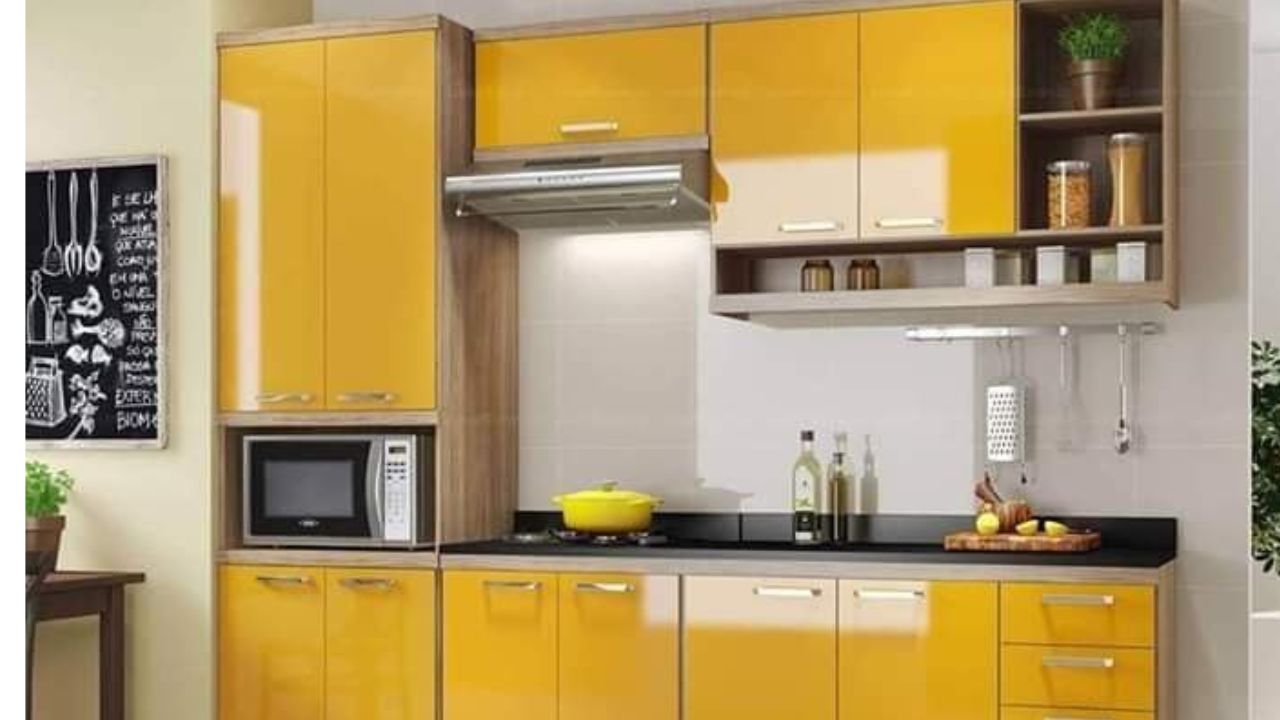
American kitchens vary widely from sprawling suburban islands to quirky urban nooks. Unique layouts demand kitchen cabinet design ideas that fit odd angles, open concepts, or historic quirks. Custom approaches solve these puzzles and blend form with everyday needs like family meals or coffee runs.
This post dives into practical kitchen cabinet design ideas for non-standard spaces. We will cover angles, peninsulas, and more, with tips for smooth execution. Whether remodeling a 1950s ranch or a city loft, these concepts work across the USA.
Corner spaces often waste potential. Bright designs reclaim them.
Round carousels spin to reveal pots and gadgets. In L-shaped kitchens, they eliminate blind reaches. Opt for two-tier versions, one for heavy items and one for spices.
For tighter spots, swing-out trays fold flat. These suit older homes with awkward corners, common in Midwest bungalows.
Angle cabinets at 45 degrees to hug walls. Glass doors show off dishware while maximizing storage. Pair with LED strips for visibility.
This kitchen cabinets design trick adds depth without bulk.
Peninsulas divide spaces while offering prep areas. Cabinets here need to multitask.
Deep drawers below seat-height counters store linens. Overhangs create barstool spots for breakfast chats. Use soft-close features for quiet mornings.
In coastal USA homes, weather-resistant materials like sealed maple hold up to salt air.
Asymmetric uppers, taller over sinks and shorter elsewhere, follow peninsula lines. Open shelving mixes in for cookbooks. This keeps sightlines open to living areas.
Islands anchor open kitchens. Balance storage with a walk-around room.
Lower sections hold trash pull-outs and microwaves. Upper levels feature cabinets or shelves. Appliance garages tuck toasters away.
For families, add soft-close drawers sized for kids' snacks.
Oval or angled islands fit irregular rooms. Base cabinets wrap seamlessly. In Southwest homes with tile floors, floating islands make cleaning easier.
Seek best kitchen cabinet installation pros for level bases. Uneven floors cause issues.
Open plans blend kitchen and living. Cabinets are defined without walls.
Full-overlay doors create sleek lines. Handleless pushes open smoothly. Matte black or white lacquer fits contemporary vibes.
These shine in lofts and reflect urban USA trends.
Wall-mounted lowers appear to hover and show floors. Strong brackets support heavy loads. Pair with quartz counters for clean edges.
U-shapes enclose cooks efficiently but can feel boxed in.
Alternating doors and drawers prevents monotony. Deep pan drawers in bases handle trays. Upper cabinets stop short of corners for breathing room.
Shallow cabinets frame sinks under windows. Transom-style uppers let light flood in. Perfect for sunny California kitchens.
These connect rooms and need slim profiles.
Narrow towers store vertically. Pivot doors access both sides. In bar areas, glass-fronted displays showcase bottles.
Best kitchen cabinet installation includes precise measurements for plumbing alignments.
Materials define durability and style.
Maple offers light tones. Cherry darkens nicely. Plywood boxes prevent warping. Finishes like semi-gloss wipe clean.
High-pressure laminates mimic wood cheaply. Stainless lowers resist heat near stoves. Mix for contrast in eclectic spaces.
Details elevate function.
Hinges dampen closes. Glides ease full-extension drawers. Pegboards inside doors hold lids. Touch latches free up pulls.
USB chargers in islands. Charging drawers for devices. Voice-activated lights sync with smart homes.
Installation seals the deal.
Level floors and run plumbing early. Mock up with cardboard. Pros handle load-bearing tweaks.
Shim uneven spots and secure to studs. Scribe edges to walls. Finish with caulk and paint for seams.
USA codes require proper venting. Check locals.
Costs range widely.
Stock cabinets: $100/sq ft. Semi-custom: $200+. Full custom: $400+. Factor in doors, hardware, and installation.
Shop sales or reclaimed wood for savings.
Start with bases and add uppers later. DIY painting cuts labor.
Learn from others.
Test samples in place. Oversized doors crowd paths.
Plan range hood spaces. Fans in the islands prevent steam buildup.
Blend old with new.
Shaker profiles nod to tradition. Flat panels modernize quietly. Stain-match existing trim.
In New England colonials, beadboard backsplashes tie in.
Apps like SketchUp help prototype kitchen cabinet design ideas. Consult local designers for renders.
Unique layouts spark creativity. These kitchen cabinet design ideas turn challenges into strengths. From coast to coast, USA kitchens thrive with thoughtful cabinets.
Putting these kitchen cabinet design ideas into action transforms any unique layout into a functional gem. Focus on solid kitchen cabinets design principles and opt for the best kitchen cabinet installation to avoid headaches. Whether you lean toward sleek modern kitchen cabinet designs or timeless wood, your kitchen will serve daily life beautifully across American homes.
January 09,2026