
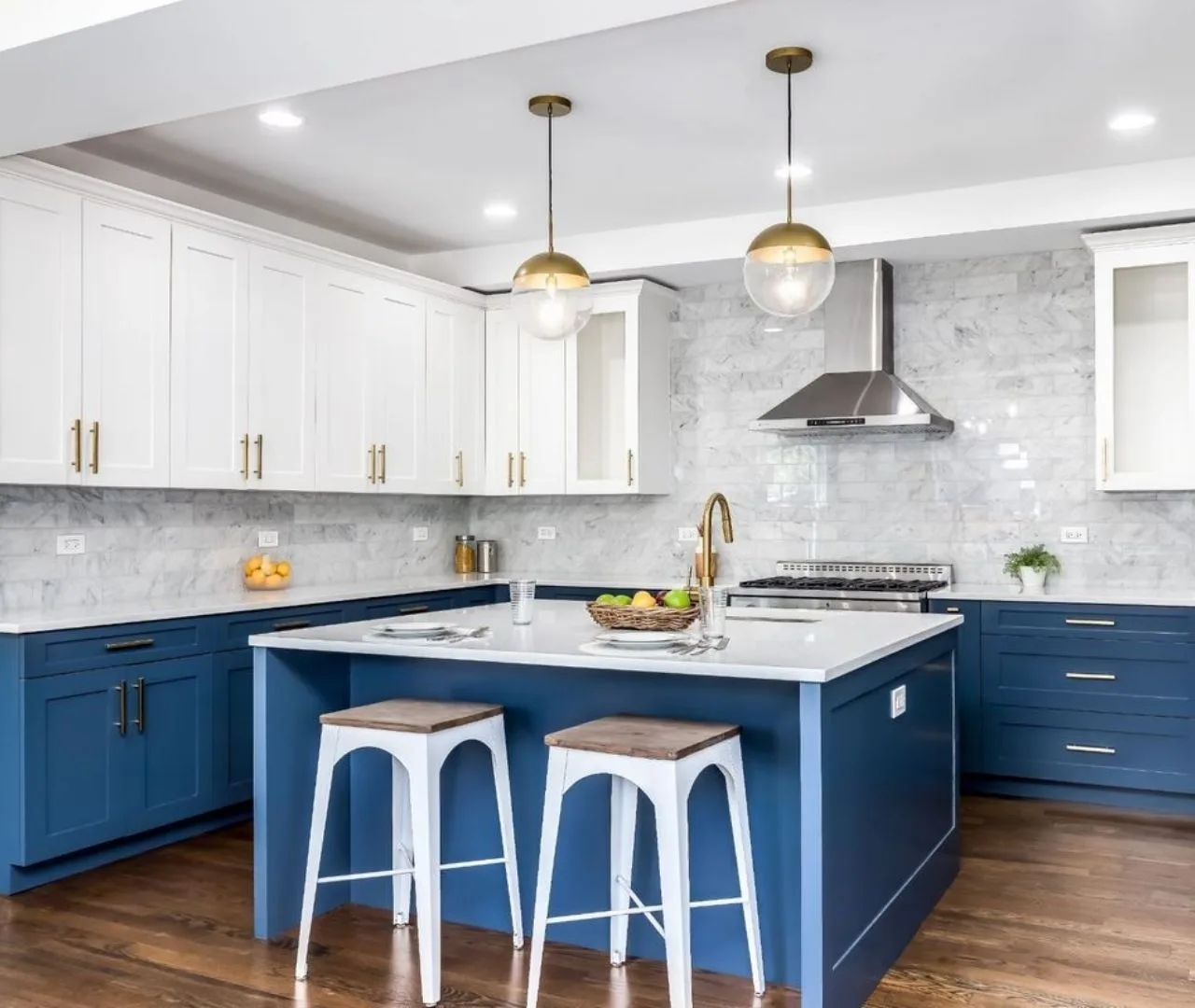
A busy home kitchen needs durable cabinetry, but a commercial label does not automatically identify the right residential product. Compare the box, door, drawer, hardware and finish as a system. This updated guide focuses on choices for homeowners rather than restaurant fit-out requirements.
Ask for a component-by-component specification
A cabinet can use different materials in its sides, back, shelves, door frame and center panel. “Wood cabinets” is not enough detail to compare two products. Ask what each part is made from, how it is joined and how exposed edges are finished.
Inspect a sample cabinet if one is available. Consider the contents it will hold and whether the proposed shelf and drawer configuration suits them. A cabinet that stores dishes has different practical demands from one intended for a few lightweight serving trays.
Look at the finish and the vulnerable areas
Review the care instructions and warranty for the exact line. Ask about edges, seams, touch-ups and exposure near the sink, dishwasher and cooking equipment. No ordinary cabinet material makes an ongoing leak harmless.
Consider whether the household is likely to leave wet towels against doors, use abrasive cleaners or store damp items inside. Choose a product and care routine that work together rather than relying on a broad promise of indestructibility.
Check hardware and installation requirements
- Confirm hinge and drawer-slide models where they matter to your selection.
- Read the ratings and instructions for heavy-duty storage accessories.
- Check access to adjustment and service points.
- Ask about replacement parts and support for the selected system.
- Confirm suitable attachment and supporting surfaces with the installer.
Good materials still need correct installation. Secure attachment, alignment and room readiness should be part of the project plan rather than treated as details to resolve after delivery.
Use certification as a specific check
The KCMA quality certification program evaluates cabinet structure, doors, drawers and finishes. Ask whether the exact product you are considering is certified and request its documentation. This is not a claim that every product sold by Homes Cabinet carries that certification.
Bring your storage needs and product questions to a consultation. Compare materials alongside the cabinet layout and style options, and keep the approved specification with the quote. Durability depends on the selected product, installation, use and care—not a single material slogan.
Frequently asked questions
Does a thicker panel guarantee a better cabinet?
No single dimension establishes overall quality. Construction, joints, supports, finish and hardware all matter. Compare the complete product specification and intended use.
Should I buy restaurant-style cabinets for a busy family kitchen?
Not automatically. Residential layout, appearance, storage and care needs differ. Choose a documented product suited to your home rather than using a commercial label as the main selection criterion.
Planning guidance from Homes Cabinet. Product specifications, site conditions and the agreed scope determine the right solution for your home. Illustrative examples are not project quotations or promises of a particular result.
← Explore more remodeling guides