
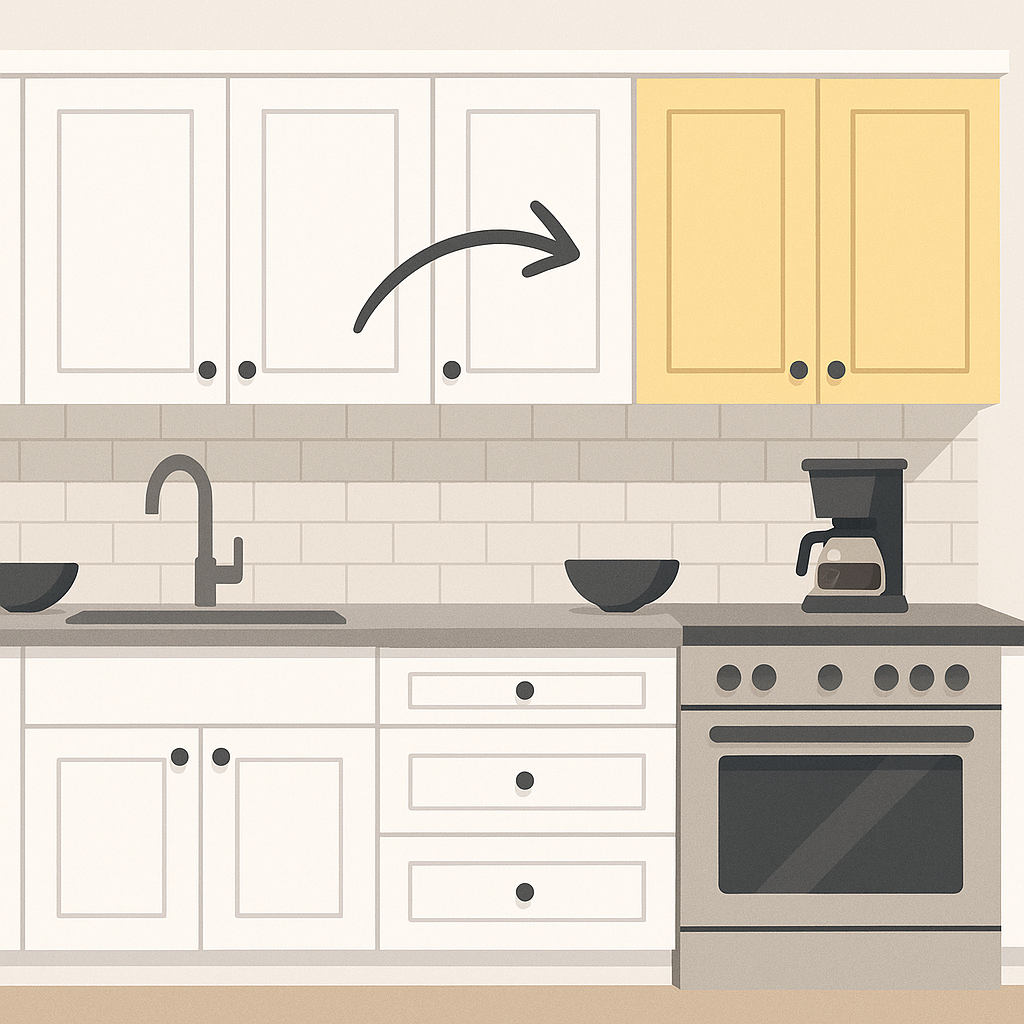
White kitchen cabinets are a timeless choice that creates a bright, clean aesthetic in any home. However, many homeowners discover that their pristine white cabinets gradually develop a yellowed, dingy appearance that diminishes the kitchen's overall appeal. This discoloration isn't just cosmetic—it can actually lower your home's value and make your entire kitchen look dated and dirty. Understanding why white cabinets turn yellow and implementing preventive measures can help you maintain that fresh, crisp look for years to come while potentially saving thousands of dollars in cabinet replacement costs.
The 5 Main Causes of White Cabinet Yellowing
1. Grease and Cooking Oil Accumulation
The most common culprit behind yellowing white cabinets is the invisible layer of cooking oils and grease that accumulates over time. Every time you cook, microscopic particles of oil become airborne and settle on all kitchen surfaces, including your cabinets. This is especially pronounced near the stove and in poorly ventilated kitchens.
These oils don't just sit on the surface—they actually penetrate into the cabinet finish, creating a yellowish film that deepens over months and years. Cabinets closest to cooking areas typically show the most pronounced yellowing, while those farther away may remain relatively white.
2. Direct Sunlight and UV Exposure
Natural sunlight streaming through your kitchen windows can be a major contributor to cabinet discoloration. Ultraviolet (UV) rays cause a chemical reaction in both the paint and the wood itself, leading to yellowing or even a pinkish tint in some cases.
This type of yellowing is particularly common with oil-based paints and finishes, which are more susceptible to UV damage than water-based alternatives. You'll typically notice this discoloration pattern more prominently on cabinet doors and surfaces that receive direct sunlight for several hours each day, while shadowed areas remain whiter.
3. Low-Quality or Oil-Based Paint and Finishes
Not all white paints are created equal when it comes to color stability. Oil-based paints and certain lower-quality finishes are naturally prone to yellowing as they age, even without exposure to sunlight or cooking oils. This is due to the chemical composition of the paint itself—the oils in the formula oxidize over time, causing an amber or yellow tint to develop.
Additionally, some cabinet finishes contain additives or resins that yellow with age. Budget-friendly cabinet options may use finishes that look pristine initially but lack the UV stabilizers and quality ingredients needed to maintain that bright white appearance long-term.
4. Tobacco Smoke and Airborne Contaminants
If anyone in your household smokes indoors, or if your home previously belonged to smokers, tobacco residue is likely contributing to cabinet yellowing. Cigarette smoke contains tar and nicotine that create a sticky, yellowish-brown film on all surfaces.
Even in non-smoking households, other airborne contaminants can cause discoloration. These include particles from burning candles, incense, wood-burning fireplaces, and even certain cleaning products. Over time, these particles accumulate and create a dingy appearance.
5. Natural Wood Tannin Bleed-Through
Sometimes the problem isn't with the cabinet surface at all—it's what's underneath. Certain woods, particularly pine and oak, contain tannins that can bleed through paint over time, especially in humid conditions. This creates yellow or brown spots or an overall yellowish cast that no amount of surface cleaning will remove.
Tannin bleed-through often worsens in areas exposed to moisture or heat, such as cabinets near the dishwasher, sink, or stove. If your cabinets weren't properly primed before painting, you're more likely to experience this issue.
How to Prevent White Cabinets from Yellowing
Improve Kitchen Ventilation
Installing and consistently using a high-quality range hood is one of the most effective prevention strategies. A range hood that vents to the outside (rather than recirculating) removes cooking oils and moisture before they can settle on your cabinets.
Run your exhaust fan during cooking and for 15-20 minutes afterward to clear the air completely. Consider upgrading to a more powerful hood if your current one doesn't effectively eliminate cooking odors and steam.
Clean Cabinets Regularly
Establish a routine cleaning schedule to prevent buildup before it becomes problematic. Wipe down cabinet surfaces weekly with a mixture of warm water and mild dish soap, paying special attention to areas near the stove.
For deeper cleaning monthly, use a degreasing solution specifically designed for kitchen cabinets. Always wipe in the direction of the wood grain and dry thoroughly with a clean cloth to prevent water damage. Consistent cleaning is one of the simplest ways to keep white kitchen cabinets from turning yellow.
Protect from UV Exposure
Install window treatments such as blinds, shades, or UV-filtering window film to reduce direct sunlight exposure. Sheer curtains can diffuse harsh sunlight while still allowing natural light into your kitchen.
If replacing cabinets or refinishing, choose water-based paints with UV-resistant properties rather than oil-based alternatives. Many modern cabinet paints include UV stabilizers that significantly slow yellowing.
Use Quality Paint and Proper Primer
When painting or refinishing cabinets, invest in high-quality, water-based cabinet paint specifically formulated to resist yellowing. Brands with excellent reputations for color stability may cost more upfront but will save you from premature refinishing.
Always use a stain-blocking primer, especially on raw wood or when painting over existing cabinets. A shellac-based or synthetic shellac primer creates a barrier that prevents tannin bleed-through and provides better adhesion for your topcoat.
Control Humidity and Temperature
Maintain consistent humidity levels in your kitchen, ideally between 35-50%. Excessive humidity accelerates tannin bleed-through and can cause finishes to break down faster.
Use a dehumidifier if necessary, and ensure your kitchen is adequately climate-controlled. Avoid placing cabinets too close to heat sources, and promptly address any plumbing leaks or moisture issues.
Restoring Yellowed White Cabinets
If your cabinets have already yellowed, you have several options depending on the severity. For surface yellowing from grease and oils, a thorough cleaning with a degreasing solution or a mixture of baking soda and water may restore brightness.
For more stubborn discoloration, try a paste of baking soda and hydrogen peroxide applied to the affected areas. Let it sit for several hours before wiping clean. In severe cases, light sanding followed by a fresh coat of high-quality white paint may be your best solution.
If tannin bleed-through is the issue, you'll need to sand, prime with a stain-blocking primer, and repaint. This is more labor-intensive but provides a lasting solution.
Conclusion
White kitchen cabinets turning yellow is a common problem, but it's also preventable and reversible with the right approach. By understanding the primary causes—from grease accumulation and UV exposure to inferior paint products and tannin bleed-through—you can take targeted action to protect your investment. Regular cleaning, proper ventilation, quality materials, and protection from sunlight are your best defenses against discoloration. If yellowing has already occurred, don't despair: with appropriate cleaning methods or refinishing techniques, you can restore your cabinets to their original brilliance and keep them looking fresh for years to come.